




SEU hosts national budget competition to promote evidence-based policy analysis
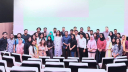
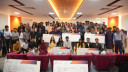
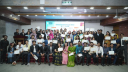
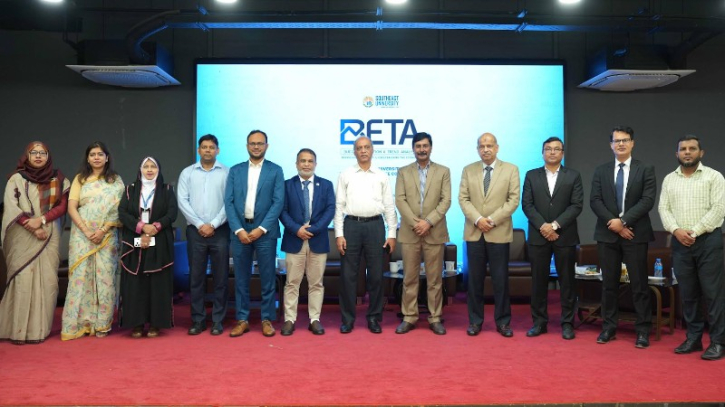
The Department of Economics at Southeast University organised BETA, Budget Evaluation and Trend Analysis, a day-long intra-university national budget competition that brought together students, policymakers and academics to discuss and analyse Bangladesh's national fiscal policy.
The programme began with a keynote address by Dr. Md. Latiful Haque, Assistant Professor of the Department of Economics at Southeast University. In his speech, he highlighted the practical importance of evidence-based decision-making and policy analysis in economic research.
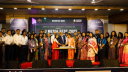
An interactive panel discussion on Bangladesh's fiscal policy, taxation and public expenditure was moderated by Prof. Dr. M. Mofazzal Hossain, Pro Vice Chancellor of Southeast University. The session was chaired by Prof. Dr. Yusuf Mahbubul Islam, Vice Chancellor of Southeast University, while Barrister Mutasim Billah Faruqi, Member (Tax Policy) of the National Board of Revenue, attended as the chief guest.
The panel featured Advocate Niaz Ahmed, Hon'ble Member of the Board of Trustees of Southeast University; Md. Monzorul Haque, Joint Secretary of the Finance Division, Ministry of Finance; Dr. Khondaker Golam Moazzem, Research Director of the Centre for Policy Dialogue (CPD); Dr. Md. Nurul Amin, Additional Commissioner of Taxes, Taxes Zone-2, Dhaka, National Board of Revenue; Dr. M H Khusru FCA, Director and CEO of expo; and Md. Tareque Hassan, First Secretary (Customs: Policy & ICT), National Board of Revenue.
A major focus of the discussion was the allocation for education in the national budget. The panelists observed that Bangladesh's education budget remains around 2 percent of GDP, significantly below the target of 3.5 to 4 percent. They also noted that a substantial portion of the allocation is directed towards operational expenditure rather than development. Past budget allocations, they said, have also placed greater emphasis on infrastructure than on teacher welfare and quality improvement.
The speakers, however, acknowledged recent increases in budgetary allocation for the education sector and stressed the need to channel more resources towards addressing manpower shortages and improving teacher compensation, particularly at the primary and non-government secondary levels. They emphasised that future budget priorities should focus on improving the quality of education and the wellbeing of teachers rather than expanding physical infrastructure alone.
The event also featured two major competitions designed to assess students' understanding of economic policy and public finance. Mushfiq Us Salehin, News Presenter at NTV and former President of JUDO, moderated the Policy Debate on Budget 2026, where participating teams defended their positions on contemporary economic issues and evaluated public policy. The Case Study Competition challenged teams to develop practical solutions to real-world budget-related problems.
The Case Study Competition was judged by Fahima Kabir, Chairperson and Assistant Professor of the Department of Economics at Southeast University; Dr. Wasim Akram, Assistant Professor and Coordinator (MDS), Department of Economics, Southeast University; Dr. Jasia Tahzeeda, Assistant Professor, Department of Economics, Southeast University; Md Sadat Anowar, Research Analyst (Poverty, Gender, and Inclusion Unit) at IFPRI; and Mamtajul Jannat, Senior Research Associate at the Centre for Policy Dialogue (CPD).
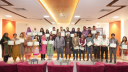
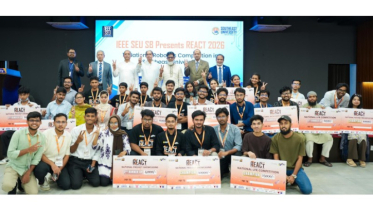
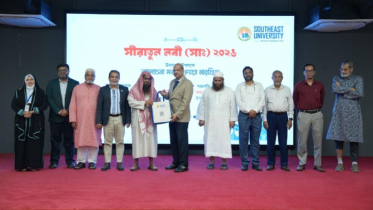
Following a closely contested competition, Budget Architects emerged as champions, while Mango People secured the runner-up position. The winning teams were recognised for their teamwork, practical problem-solving ability and effective presentation of complex economic issues.
The organisers expressed their gratitude to the chief guest, panelists, faculty members, judges and participants for their contributions, noting that the event highlighted the importance of constructive dialogue on national economic policy.